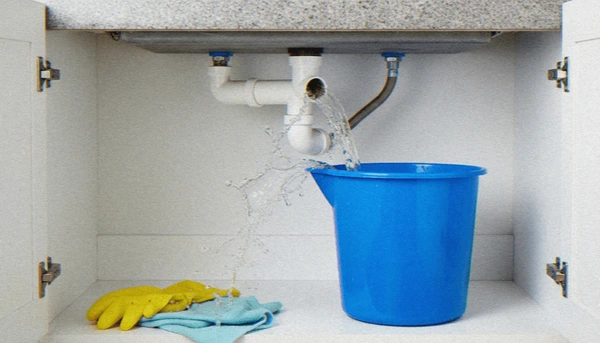
The most expensive leaks are the ones you don't know about. A slow drip behind a wall or under a slab can run for months before any visible damage shows up, and by the time it does, you're often looking at rotted framing, mould, and a repair bill that dwarfs what the original leak detection would have cost. Knowing what to look for early is the difference between a straightforward fix and a major remediation job.
The clearest early warning is a water bill that climbs for no obvious reason. If your household usage hasn't changed but your bill is up, water is going somewhere. The simplest check: turn off every tap and appliance in the house, note the reading on your water meter, and check it again in an hour without using anything. If the dial has moved, you've got a leak. This test costs you nothing and takes two minutes.
Low water pressure that wasn't there before is another sign worth taking seriously. If your shower pressure has dropped off or your taps are sluggish when they used to be strong, it can mean water is escaping somewhere along the supply line before it gets to the outlet. It's easy to put down to council pressure fluctuations, but if it's consistent and progressive, get it checked.
Damp patches on walls, ceilings or floors that don't track back to an obvious source, a recent spill, a rain entry point, condensation, are a reliable red flag. Paint that bubbles, wallpaper that lifts, or plaster that feels soft are all signs of moisture behind the surface. In Penrith's older brick homes, a slow slab leak can wick moisture upward through the concrete and present as damp flooring before any other sign appears.
A musty or mouldy smell in a room with no visible mould is worth investigating. Mould needs moisture to grow, and if the smell is persistent but the source isn't visible, it's often inside a wall cavity or under flooring where a slow leak is providing just enough moisture. Don't mask it with air freshener, find the source.
Cracks in the wall or floor that appear without an obvious structural cause can sometimes indicate a slab leak. When water escapes under a concrete slab, it slowly erodes the base and the soil beneath it, and the slab shifts slightly. This is more common in the older clay-soil suburbs around Penrith and Western Sydney where soil movement already occurs seasonally.
Hot spots on a slab floor, areas that feel noticeably warmer underfoot in winter, can indicate a leak in the hot water supply line running under the concrete. You're losing both water and heat continuously. It's a subtle sign most people never connect to a plumbing problem, but it's one of the more reliable indicators of an under-slab hot water leak.
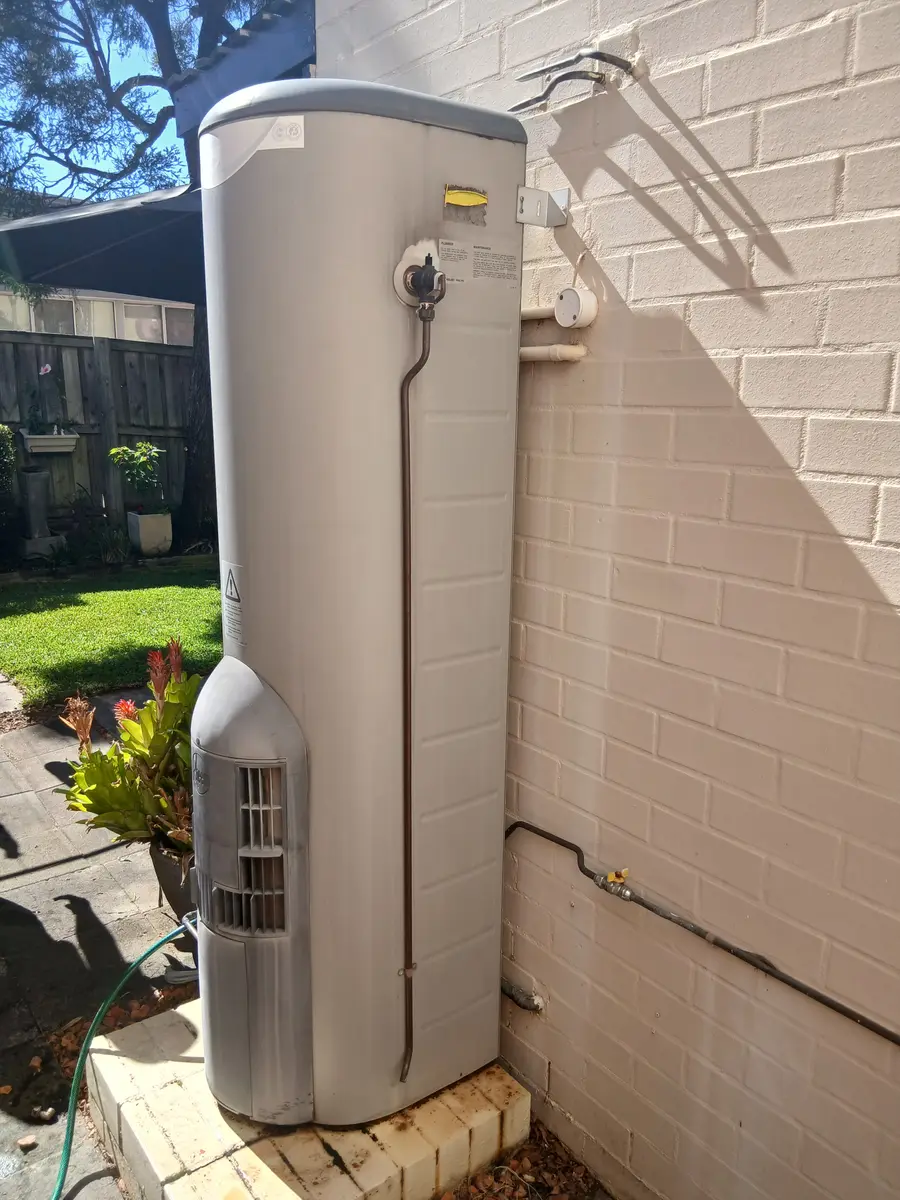
Keep an eye on the area around your hot water system. A puddle that reappears, rust stains on the concrete, or a relief valve that's dripping when the system isn't under abnormal pressure are all signs the unit is under stress or already failing. These small signs often precede a full tank failure by weeks or months.
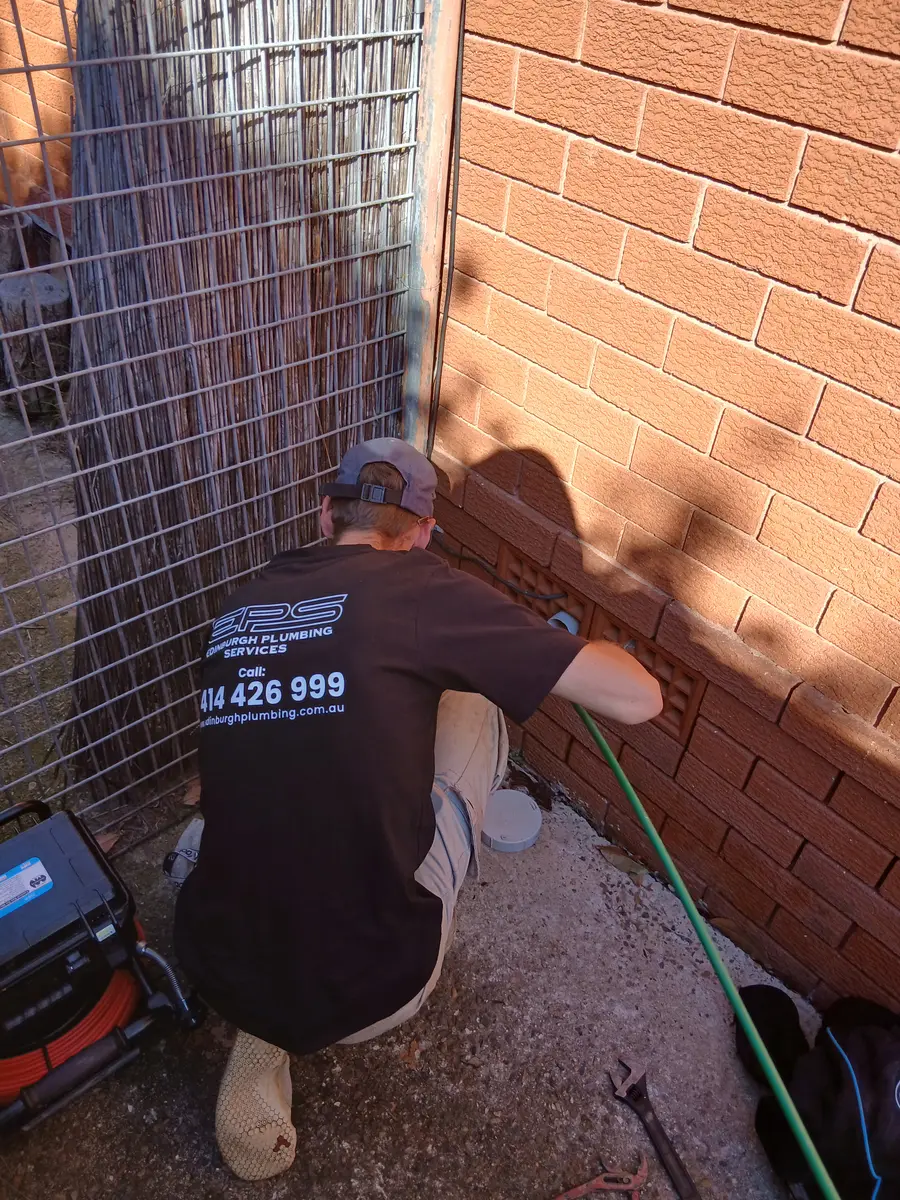
If two or more of these sound familiar, it's worth having a licensed plumber investigate before the damage compounds. Leak detection has come a long way, thermal imaging and acoustic equipment can find leaks inside walls and under slabs without unnecessary destruction. Catching it early nearly always saves money.
Need a plumber?
Whether it’s a quick fix or a bigger job, our licensed Penrith team can help with pipe repair across Western Sydney and the Blue Mountains.
Also helpful: our emergency plumbing service