Come the first proper heatwave in Penrith, usually mid-January, when every second house in the street has a sprinkler running and the kids have the hose going out the back, the trickle out of the kitchen tap can suddenly feel like someone's pinched the line. The shower goes from a decent wash to a dribble the moment the dishwasher kicks in. It's one of the most common calls we get in the warmer months, and nine times out of ten the low water pressure fix is simpler and cheaper than people fear. The trick is knowing what you're actually dealing with before you spend money on it.
We've been working the taps and pipes around Western Sydney and the Blue Mountains for a long time, so most of these problems we can pick almost before we've parked the ute. Here's the honest rundown of what's usually behind weak pressure, what you can check yourself in ten minutes, and when it's worth getting a licensed set of hands onto it.
Start With a Few Simple Checks First
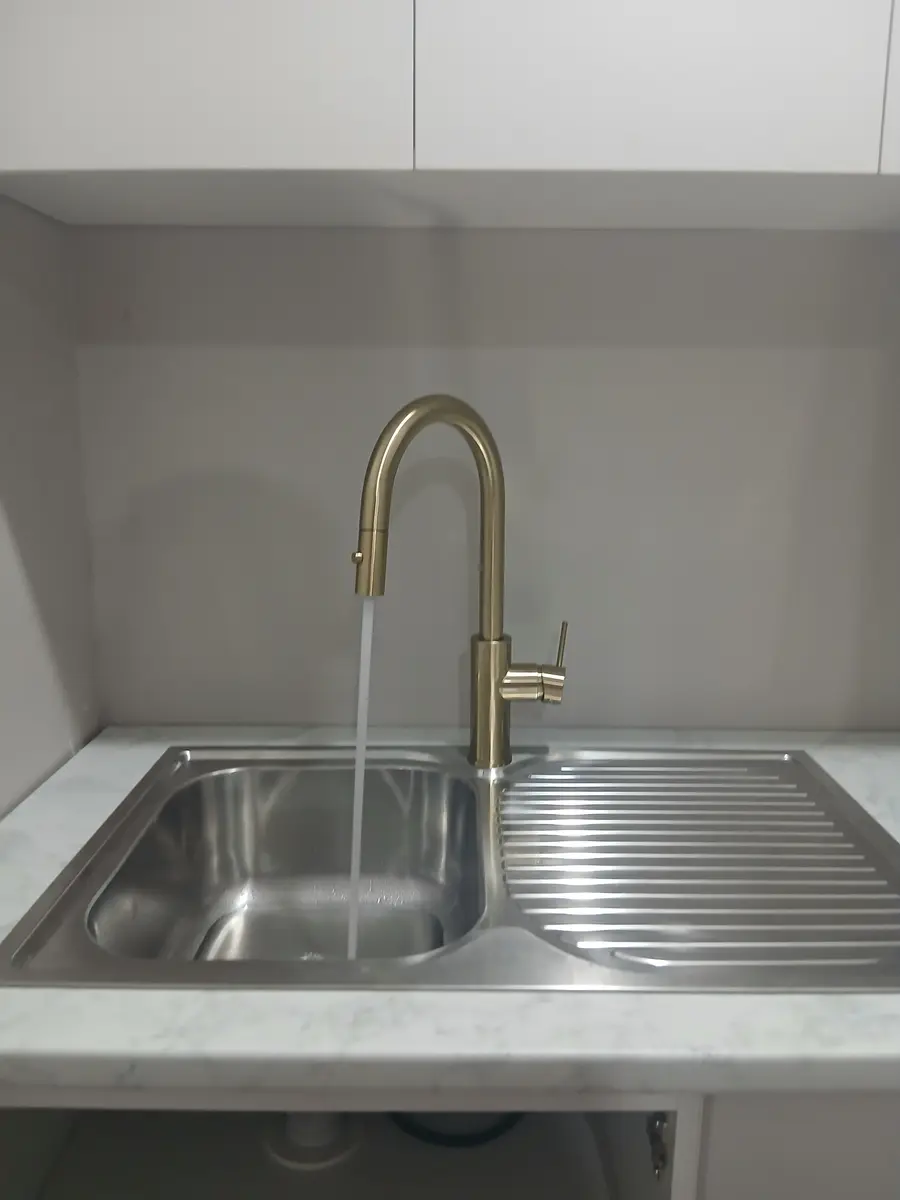
Before you assume the worst, rule out the easy stuff. If only one tap or the shower is weak, the problem is almost certainly local, a clogged aerator on the tap spout or a blocked shower rose. Both unscrew by hand or with a rag and a pair of multigrips, and a soak in white vinegar overnight clears the mineral scale that builds up in our hard-ish water out here. If every outlet in the house has dropped off at once, though, it's not the fittings, it's something further upstream, and that's where it pays to keep looking.
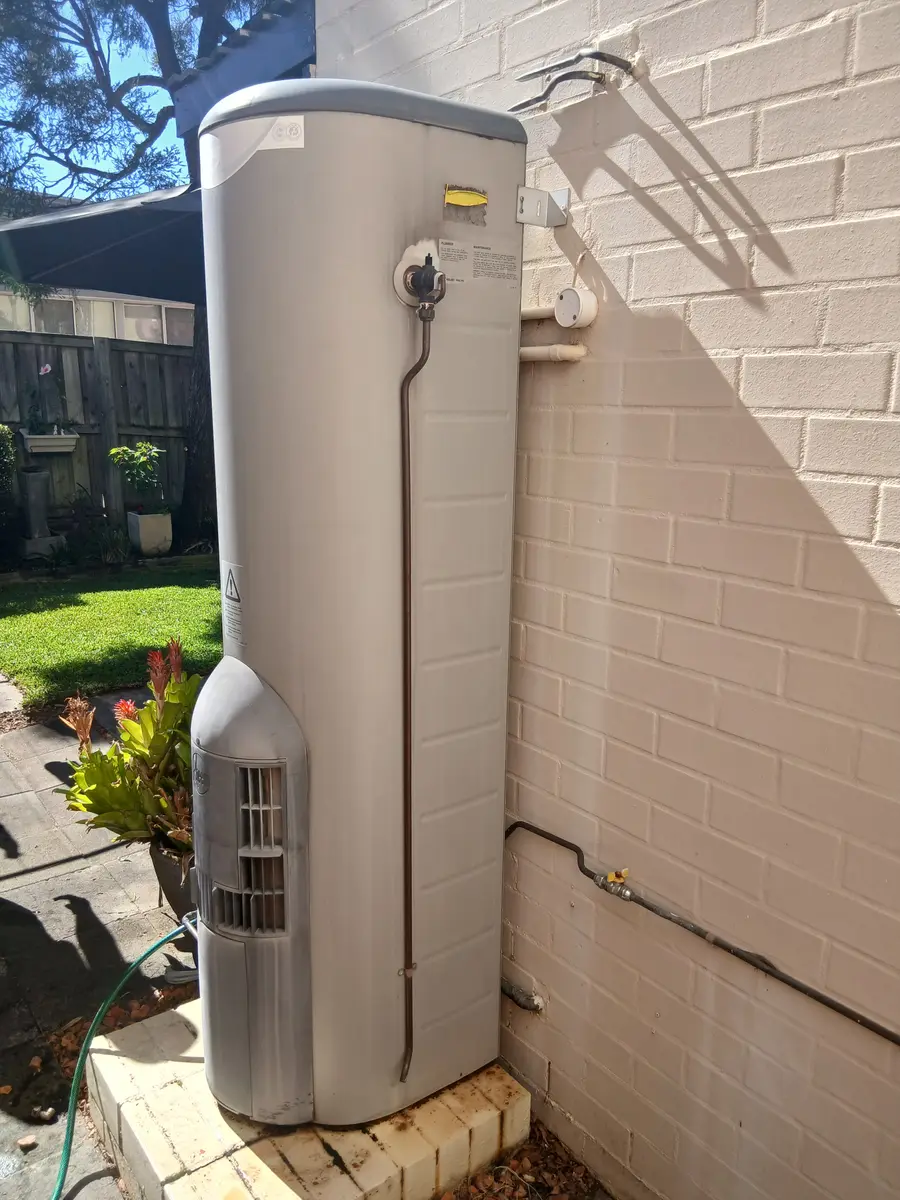
Next, work out whether it's hot, cold, or both. If only the hot side is weak, you're likely looking at the hot water system, a tempering valve, a failing unit, or sediment in the tank, not the mains. If it's both hot and cold everywhere, the cause is the water supply coming into the house. Narrowing it down this way saves a lot of guesswork and tells us roughly where to start.
The Mains: What's Actually Coming Into Your Street
Sometimes the pressure problem isn't yours at all. Sydney Water is only obligated to deliver a minimum pressure to your property boundary, they set that standard, and you can read it on their website at sydneywater.com.au. On a stinking-hot evening when half of Glenmore Park is watering the lawn at once, demand on the network peaks and everyone's pressure sags a little. If yours comes good late at night or early morning, that's a demand pattern, not a fault. It's also worth a quick check that your main shut-off valve at the meter is turned fully open, it's surprising how often one gets left half-closed after work's been done. If you're not sure where yours is, we've written a short guide on how to find your main water shut-off that's worth a read.
The Pressure Limiting Valve Is the Usual Suspect
If the whole house has gone weak and the mains are fine, the first thing we go looking for is the pressure limiting valve, the PLV, sometimes called a pressure reducing valve. Most Penrith homes built or re-plumbed in the last few decades have one fitted near the meter or where the main enters the house. Its job is to protect your plumbing by knocking the incoming pressure down to a safe level, and like any valve with a spring and a diaphragm inside it, it wears out. When a PLV starts to fail it usually fails low, strangling your flow down to a trickle. They typically last around ten to fifteen years, so if yours is original to a house that age, it's a prime candidate.
The good news is that a failed PLV is one of the more straightforward jobs on this list. It's a like-for-like swap, it doesn't involve ripping into walls, and it's done in an hour or two. If you've got decent pressure at the meter but a dribble at the house, the valve in between is doing something wrong, and replacing it is often the entire fix.
Corroded Pipes in Older Penrith and Emu Plains Homes
Here's the one nobody wants to hear. Plenty of older homes around Penrith and neighbouring Emu Plains were plumbed with galvanised steel pipe, and over the decades the inside of that pipe rusts and furs up. The bore that was once a clean 20 millimetres slowly chokes down to the size of a pencil, and water simply can't get through at volume. You'll often notice it worst at the furthest tap from the meter, and the flow may run rusty-brown for a second when you first turn it on in the morning.
You can't clean this out, once galvanised pipe has corroded internally, the only real answer is to replace that section (or often the whole run) with copper or modern poly. It's a bigger job, no point pretending otherwise, but it's also permanent, and it usually sorts out discoloured water and future leak risk at the same time. If your pressure has been slowly dropping over years rather than overnight, corroded pipe is the most likely story.
The Honest Low Water Pressure Fix: Matching the Cause to the Cure
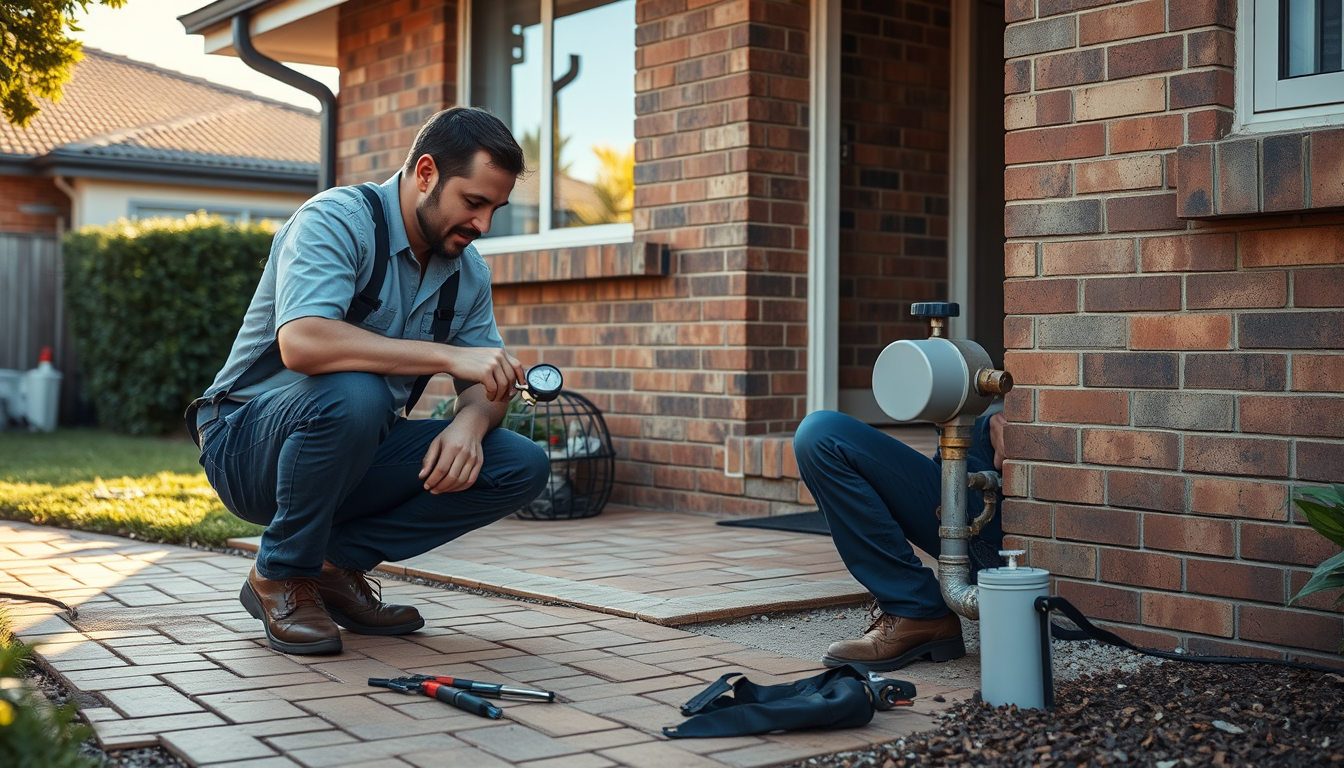
This is the bit that matters: the right low water pressure fix depends entirely on the cause, and anyone who quotes you a solution over the phone without knowing which one you've got is guessing. A blocked aerator is a five-minute no-charge tidy-up. A failed pressure valve is an hour's work. Corroded pipework is a planned replacement. Occasionally weak pressure is actually the first symptom of a hidden leak drawing water off before it reaches your taps, if your bill has crept up at the same time, that's worth ruling out properly. When we come out, we test pressure at the meter and at the taps, isolate the hot and cold sides, and tell you plainly which of these it is before any work starts. You'll find the full list of what we handle on our services page, and if something doesn't add up we'll say so rather than sell you a valve you don't need.
Edinburgh Plumbing Services is family-owned since 1996 and fully licensed (licence number 484292C), so whatever's behind your pressure, it's getting looked at by someone who's seen it a hundred times across these suburbs, from the newer estates down the flat to the older cottages up towards Katoomba.
When to Call Us
If you've checked the aerators, confirmed the meter valve is open, and the whole house is still weak, it's time to get it diagnosed properly, guessing past that point usually costs more than it saves. We cover Penrith, the wider Western Sydney area and the Blue Mountains, and we'll give it to you straight on what it needs and what it'll cost. For a burst or a total loss of water, call our 24/7 emergency line on 0449 505 191. For everything else, ring the office on 0414 426 999, or head to our contact page at /contact to get a free quote. No hype, no upsell, just the fix that matches the fault.
Frequently asked questions
Why does my water pressure drop only on hot summer evenings?
That's almost always peak demand on the network. When lots of homes around Penrith water their gardens at the same time, the supply pressure to the whole area sags a little. If your pressure returns overnight or early morning, it's a demand pattern rather than a fault with your plumbing.
How long does a pressure limiting valve last?
Typically around ten to fifteen years. When they fail they usually fail low, strangling your flow down to a trickle across the whole house. If yours is original to an older home, it's often the first thing worth replacing, it's a straightforward like-for-like swap done in an hour or two.
Can corroded pipes be cleaned out to restore pressure?
No. Once galvanised steel pipe has rusted and furred up internally, it can't be cleared. The only lasting fix is to replace the affected run with copper or modern poly piping. It's a bigger job, but it permanently restores flow and usually sorts out rusty-coloured water too.
Is low water pressure ever a sign of a leak?
It can be. If pressure has dropped and your water bill has crept up at the same time, water may be escaping before it reaches your taps. It's worth having a licensed plumber rule out a hidden leak as part of diagnosing the pressure problem.
Need a plumber?
Whether it’s a quick fix or a bigger job, our licensed Penrith team can help with emergency plumbing across Western Sydney and the Blue Mountains.