Winter in the Blue Mountains doesn't play around. Temperatures in Katoomba and Blackheath regularly drop below zero in June and July, and when they do, exposed plumbing pays the price. We pick up a steady run of burst-pipe calls every winter from properties up in the mountains, not because the pipes are old or poorly installed, but because the cold got to something that wasn't protected. Most of it is preventable with a bit of prep before the cold hits.
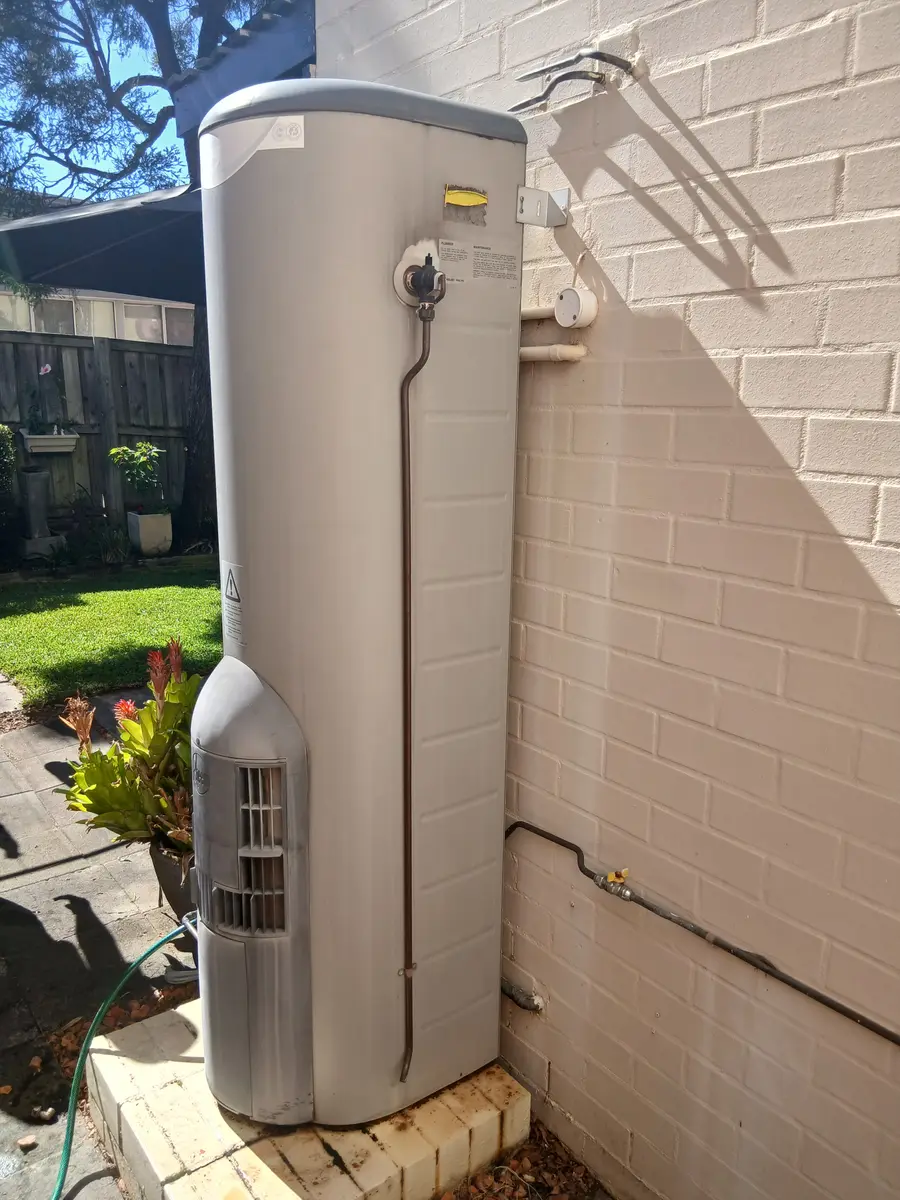
The pipes most at risk are the ones exposed to outside air: taps and short pipe runs on the south or shaded side of the house, outdoor laundry connections, pipes in uninsulated subfloors, and any pipe that runs through an unheated garage or shed. Water expands when it freezes. If it's in a rigid pipe, it will eventually split the pipe wall, sometimes silently while the ground is frozen, not revealing the break until the thaw sends water through again.
Lagging is the simplest fix. Foam pipe insulation sleeves are available from any hardware store for a couple of dollars a metre, they're easy to fit yourself and they make a significant difference to how well a pipe handles a cold night. If you've got exposed pipes on an outdoor laundry, around the meter, in a subfloor crawl space or entering an uninsulated shed, lagging them now takes an hour and costs very little compared to an emergency callout in July.
Outdoor taps deserve particular attention. A dripping or poorly sealing outdoor tap will freeze solid, and the pressure from the ice can split the tap body or the connecting pipe behind the wall. Make sure your outdoor taps seal fully when closed. If one has been dripping for a while and you've been meaning to fix it, before winter is exactly the right time.
Know where your main water shut-off is and make sure it actually turns off. We see this every winter: a pipe bursts, the owner goes to turn off the water and discovers the main tap is seized from years of not being touched. Give it a test turn before it matters, if it's stiff, have it serviced now so it'll move when you need it. Your shut-off is usually near the water meter at the front boundary.
For heritage and older homes in Katoomba, Leura and the upper mountains, it's also worth checking the state of your visible pipework before winter. Older copper that's been through many freeze-thaw cycles can develop micro-cracks that haven't fully let go yet. If you've had any burst pipes in previous winters, or if the pipework is showing any green verdigris or pinhole patches, a plumber's inspection before the cold sets in is cheap insurance.
Rainwater tanks on mountain properties need attention too. Water in the pipes between the tank and the house can freeze just as readily as mains supply. If your pump shed or tank connection isn't insulated, consider adding lagging to the exposed runs. A pump that seizes in a freeze can be an expensive repair.
One last thing: if you do get a burst pipe, shut off the main water supply immediately and call us, don't try to heat a frozen section of pipe with a heat gun or open flame to thaw it yourself. That approach causes more damage than the freeze does, and in a heritage home with older materials it's a fire risk. Shut it off, keep the area clear, and let a licensed plumber deal with it properly.
Need a plumber?
Whether it’s a quick fix or a bigger job, our licensed Penrith team can help with emergency plumbing across Western Sydney and the Blue Mountains.
Also helpful: our blocked drains service